
Dreamscape
30 years of focus on aluminum die-casting parts
CHINESE
+86 13961758770
Dreamscape
30 years of focus on aluminum die-casting parts

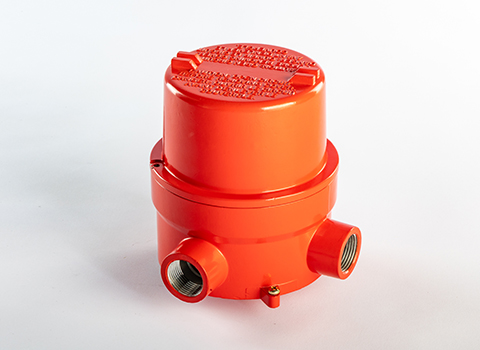
In hazardous industrial environments, equipment enclosures play a critical role in preventing ignition incidents. Aluminum explosion proof housing is widely used in applications where flammable gases, vapors, or combustible dust may be present. Its structural properties and manufacturing flexibility make it a practical choice for safety-focused system design.
Understanding Explosion Proof Housing
Explosion proof housing is designed to contain any internal explosion that may occur due to electrical sparks or component failure. The enclosure prevents the ignition from propagating to the surrounding atmosphere by withstanding internal pressure and cooling escaping gases through engineered flame paths. Such enclosures are commonly used in industries that follow standards like those issued by the National Electrical Manufacturers Association (NEMA) and the International Electrotechnical Commission (IEC).
Advantages of Aluminum in Hazardous Locations
1. High Strength-to-Weight Ratio
Aluminum provides sufficient mechanical strength while remaining lighter than many alternative metals. This reduces installation complexity, especially for wall-mounted or pole-mounted systems.
2. Corrosion Resistance
Aluminum naturally forms an oxide layer that enhances resistance to corrosion in industrial environments, including chemical processing plants and offshore facilities. This helps maintain structural integrity over time.
3. Thermal Conductivity
Compared to many other enclosure materials, aluminum offers good thermal conductivity. Efficient heat dissipation supports stable operation of internal components such as control modules, power supplies, and communication devices.
4. Machinability and Precision Manufacturing
Aluminum alloys are well suited for precision machining and die casting. This allows manufacturers to produce accurate flame paths, threaded joints, and sealing surfaces that meet explosion proof certification requirements.
Compliance and Certification Considerations
Explosion proof housings must comply with regional and international standards. In North America, products often align with NEC requirements and relevant NEMA ratings. Internationally, IECEx certification based on IEC standards is common. Proper certification ensures the enclosure has been tested for pressure resistance, flame containment, and environmental sealing performance.
Typical Applications
Aluminum explosion proof housing is frequently used in:
Oil and gas processing facilities
Chemical manufacturing plants
Grain handling and storage operations
Mining sites
Industrial automation systems in classified areas
In these environments, reliable enclosure performance directly contributes to operational continuity and personnel safety.
Conclusion
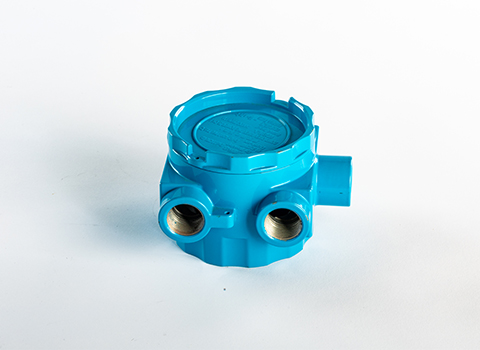
Choosing aluminum explosion proof housing is a practical engineering decision when operating in hazardous locations. Its mechanical strength, corrosion resistance, heat dissipation capability, and compatibility with precision manufacturing processes make it suitable for certified explosion containment systems. When combined with proper installation and compliance with applicable standards, aluminum enclosures support a robust safety strategy in demanding industrial settings.
Subscribe Below To Get Regular Updates From Dreamscape!
search
Dreamscape Machinery Technology Co., Ltd
No. 9 Huihe Road, Qianzhou Industrial Park, Huishan District, Wuxi City Jiangsu,P.R.China
Telephone: +86 0510-83382680
E-mail: zhangruyin124@gmail.com
Dreamscape Machinery Technology Co., Ltd
No. 9 Huihe Road, Qianzhou Industrial Park, Huishan District, Wuxi City Jiangsu,P.R.China
Telephone: +86 0510-83382680
We will contact you within 24 hours. ( WhatsApp/facebook:+86 0510-83382680)