
Dreamscape
30 years of focus on aluminum die-casting parts
CHINESE
+86 13961758770
Dreamscape
30 years of focus on aluminum die-casting parts

As global solar installations continue to expand across residential, commercial, and utility-scale projects, the structural reliability of mounting systems has become a decisive factor in overall system performance. Solar mounting brackets must withstand long-term exposure to wind loads, snow pressure, thermal cycling, and corrosive environments. Aluminum die casting has emerged as a highly efficient manufacturing solution that significantly enhances the strength, durability, and cost-effectiveness of these critical components.
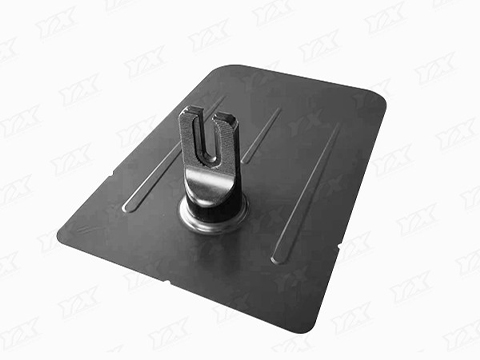
Aluminum die casting is a high-pressure process in which molten aluminum alloy is injected into precision-engineered steel molds. This method enables the production of complex bracket geometries with tight dimensional tolerances and consistent mechanical properties. For solar mounting systems, this precision ensures stable module positioning, improved load distribution, and reduced installation errors.
One of the primary advantages of die-cast aluminum brackets is their superior strength-to-weight ratio. Compared with traditional steel fabrication, aluminum alloys such as A380 or ADC12 offer high tensile strength while remaining lightweight. This reduces the structural load on rooftops and support frameworks, making aluminum brackets especially suitable for residential and commercial rooftop solar systems. Lower weight also simplifies transportation and on-site installation, reducing labor costs and improving project efficiency.
Corrosion resistance is another critical performance benefit. Solar installations are often exposed to moisture, salt spray, and industrial pollutants. Aluminum naturally forms a protective oxide layer that resists corrosion. When combined with surface treatments such as anodizing or powder coating, die-cast brackets can achieve extended service lifespans that align with the 25–30 year warranties commonly offered by module manufacturers like LONGi Green Energy Technology and JinkoSolar. This durability reduces maintenance requirements and enhances long-term system reliability.
From an engineering perspective, die casting allows designers to integrate reinforcing ribs, mounting slots, and cable management features directly into a single component. This reduces the need for secondary machining or welding, minimizing potential weak points. The result is improved structural integrity and greater resistance to wind uplift and snow loads, particularly in regions with strict building codes such as Germany and United States.
Additionally, aluminum’s high thermal conductivity helps dissipate heat from connection points between modules and brackets. Effective heat management reduces thermal stress and material fatigue, contributing to stable performance throughout the system’s lifecycle.
From a sustainability standpoint, aluminum is fully recyclable and requires significantly less energy to reprocess compared to primary production. For solar projects focused on carbon reduction and ESG compliance, die-cast aluminum mounting structures contribute to a lower overall environmental footprint.
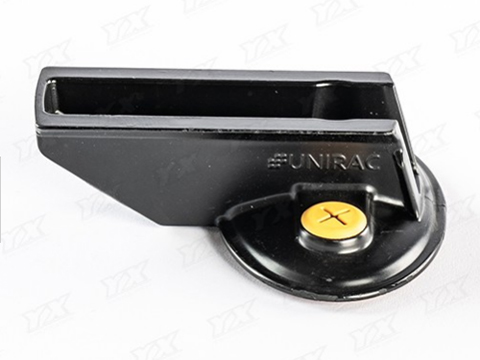
In summary, aluminum die casting enhances solar mounting bracket performance through lightweight strength, corrosion resistance, precision manufacturing, and long-term durability. As solar energy continues to scale globally, die-cast aluminum components provide a reliable structural foundation that supports both performance optimization and lifecycle cost efficiency.
Subscribe Below To Get Regular Updates From Dreamscape!
search
Dreamscape Machinery Technology Co., Ltd
No. 9 Huihe Road, Qianzhou Industrial Park, Huishan District, Wuxi City Jiangsu,P.R.China
Telephone: +86 0510-83382680
E-mail: zhangruyin124@gmail.com
Dreamscape Machinery Technology Co., Ltd
No. 9 Huihe Road, Qianzhou Industrial Park, Huishan District, Wuxi City Jiangsu,P.R.China
Telephone: +86 0510-83382680
We will contact you within 24 hours. ( WhatsApp/facebook:+86 0510-83382680)